
Knowledge,
shaped by curiosity.
I'm Dr. Nitin Aggarwal, educator and researcher in the School of Information Systems and Technology at San Jose State University, working at the intersection of technology standards, AI in education, and consumer behavior.

Nitin Aggarwal
Professor, Information Systems & Technology
About
A Life in Learning
I am a Professor in the School of Information Systems and Technology at the Lucas College and Graduate School of Business, San Jose State University. I received my Ph.D. in Business Administration with a concentration in MIS from Texas Tech University, and also hold an MBA in Marketing and an undergraduate degree in Physics from Delhi, India.
My research interests include technology standardization, intellectual property issues in technology development, the economics of standards, and the transaction costs of technology development. More recently, my work has expanded into AI in education: designing chatbots and AI tutors to support student learning and career advising, as well as consumer behavior around emerging technologies like the Internet of Things.
I believe the best research and the best teaching share a single habit: the willingness to ask the simple question everyone else has stopped asking. This site is where I share what I learn, what I teach, and the tools I trust along the way.
452
Google Scholar Citations
20+
Publications
10
h-index
PhD
Texas Tech University
Teaching
Courses & Philosophy
Upper Division
Networking and Data Communications
Emphasis on the concepts, architectures, components, protocols, and standards for message movement within information networks, from TCP/IP and network design to security and emerging standards.
Upper Division
Business Systems and Policy
A systems perspective on organizations, using information as an integrating vehicle. Examines how information systems can serve business functions and integrate value chain activities.
Graduate (MBA)
Information Technologies for Business: Essentials & Emerging
Exposes students to a range of technologies, assignments, and case studies that build the skills and knowledge to apply technology in their own business fields, from essential foundations to emerging trends.
Teaching Philosophy
Build first, understand deeply second: implementation exposes what theory hides.
Every concept deserves three explanations: the intuition, the math, and the failure mode.
A classroom is a place to practice thinking, not to receive conclusions.
Research
Areas & Publications
452
Total Citations
10
h-index
11
i10-index
20+
Publications
Technology Standards & Economics
Economics of IT standardization, open vs. proprietary standards, standard-setting consortia, and shareholder value effects of standards initiatives.
AI in Education
Designing AI tutors and chatbots to support student learning and career advising, conversational goal-setting buddies, and adaptive learning systems.
IoT & Consumer Behavior
Consumer risk perceptions, purchase intentions, and demographic differences in adoption of Internet of Things devices and emerging technologies.
Intellectual Property & Governance
Intellectual Property Bundle theory, transaction costs in technology development, and network governance of innovation ecosystems.
Grants & Funding
AI in Education: Designing Chatbots and AI Tutors to Support Student Learning
San José State University
Consumer Behavior and Risk Perceptions of Emerging Technologies (IoT)
San José State University
Economics of Technology Standardization and Intellectual Property
San José State University
Selected Publications
View on Google ScholarHow Consumers' Risk-related Perceptions and Attitudes Evolved as a High-risk/reward Technology Market Emerged — the Internet of Things
Telematics and Informatics Reports
Consumer perceived value and MOOC subscription intentions
Journal of Computer Information Systems
A conversational goal setting buddy for student learning
Conference Paper
Risk knowledge and concern as influences of purchase intention for internet of things devices
Technology in Society, 62, 101311
Artificially intelligent (AI) tutors in the classroom: a need assessment study of designing chatbots to support student learning
Conference Paper
Intelligent career advisers in your pocket? A need assessment study of chatbots for student career advising
Conference Paper
Gender and Generational Differences in Consumers' Perceptions of Internet of Things (IoT) Devices
E-Journal of Social & Behavioural Research in Business, 10(3)
Demographic differences and HR professionals' concerns over the use of social media in hiring
e-Journal of Social & Behavioural Research in Business, 10(1)
Influencing customer's purchase intentions through firm participation in online consumer communities
Electronic Markets, 24(4), 285-295
Are open standards good business?
Electronic Markets, 22(1), 63-68
Engaging students through web 2.0 technologies: Capturing the long tail of student participation
45th Hawaii International Conference on System Sciences (HICSS)
Use and Perceived Value of Class Forums
Academic Exchange Quarterly, 16(2)
The More, the Merrier? How the Number of Partners in a Standard-Setting Initiative Affects Shareholder's Risk and Return
MIS Quarterly, 35(2), 445-A5
Intellectual Property Bundle (IPB) theory: Managing transaction costs in technology development through network governance
Decision Support Systems, 48(1), 23-32
Leveraging relationships with Web 2.0 consumer communities as a strategic capability
Conference Paper
Do markets prefer open or proprietary standards for XML standardization? An event study
International Journal of Electronic Commerce, 11(1), 117-136
Standards setting consortia: a transaction cost perspective
38th Annual Hawaii International Conference on System Sciences (HICSS)
Monopoly power in standards is a myth
Working Paper
Ventures
Ventures & Affiliations
Academic Consulting
Research direction, experimental design, and technical review for teams building AI systems that need to meet a scientific bar.
Graduate Mentoring
One-on-one guidance for MS and PhD students navigating research questions, thesis structure, and the publication process.
Keynote Speaking
Talks and workshops on AI literacy, responsible machine learning, and the future of education in an AI-saturated world.
Curriculum & Program Design
Designing AI and data science curricula for universities and industry academies, from learning outcomes to assessment.
Industry Advisory
Serving on technical advisory boards for organizations adopting machine learning, with focus on responsible deployment.
For Students
Student's Corner
Writings, lessons, and hard-won advice for students navigating AI, technology, and learning.
From the Blog
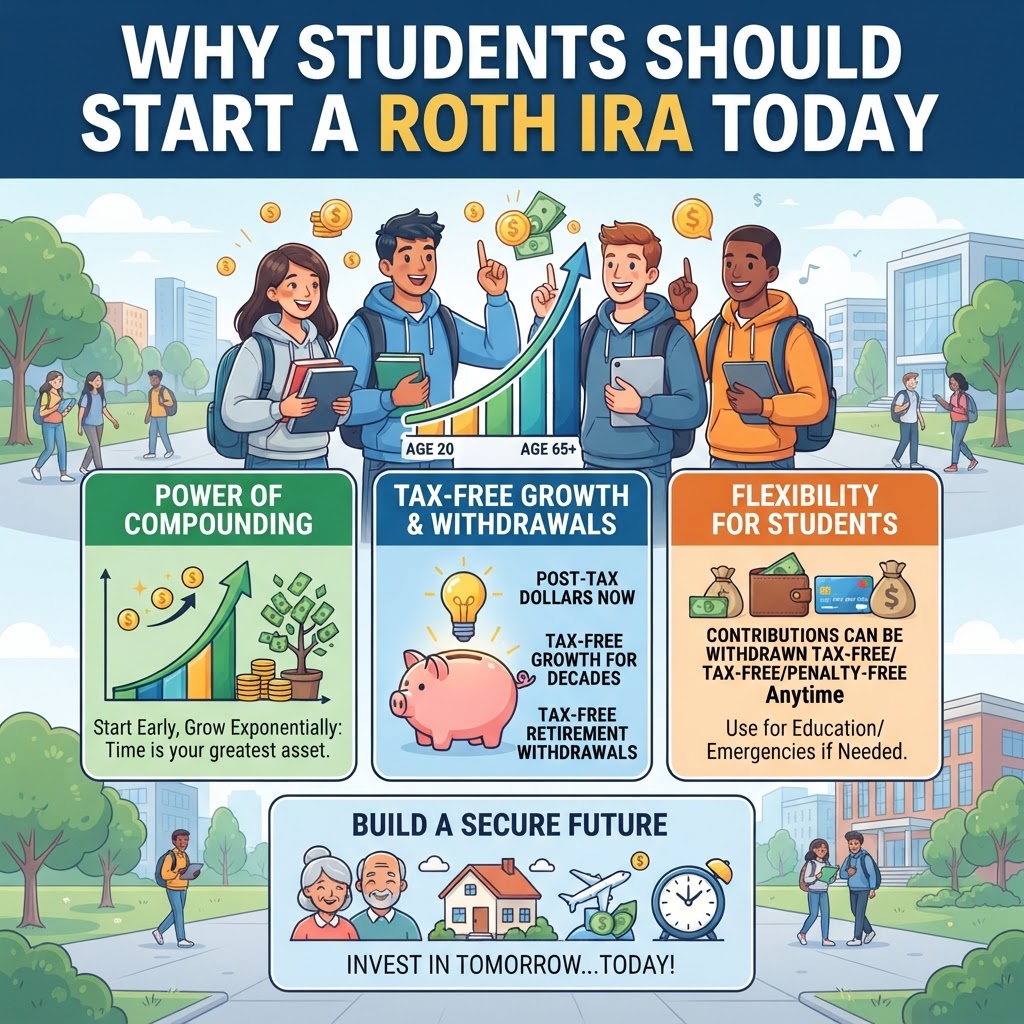
Tips That Stick
Read the paper three times
First pass for the big picture, second for the method, third for the details. You will retain more in three focused 20-minute reads than one exhausted two-hour slog.
Build before you understand
Trying to implement a concept, even badly, exposes exactly what you do not understand. Build a tiny version first, then go back to the theory.
Keep a decision journal
When you choose a research direction or a project, write down why. Six months later you will thank yourself when you need to explain the pivot.
Your network is built in the hallway
The conversations between sessions at a conference matter more than the sessions. Talk to the person next to you. Ask what they are stuck on.
Sleep is a study tool
Consolidation happens offline. An extra hour of sleep before an exam outperforms an extra hour of cramming, almost every time.
Write one paragraph a day
A thesis is not written in a sprint. One honest paragraph a day is a chapter a semester. Momentum beats intensity.
Support Us
Support This Work
Tools and resources I genuinely use. These links support my work, my classroom initiatives, guest lectures, and my students. I only share what I trust.

Base44
This entire website was vibe coded with Base44. If you want to build something similar, register for a free account and start creating.

Amazon
This is my Amazon referral link. Use it to shop and support this site at no extra cost to you.

Capital One Shopping
If you are shopping online anyways, might as well earn cashback. I have earned thousands of dollars over the years.

inKind
Get 30-40% discount on popular restaurants on Santana Row and all over the Bay Area.
Let's Connect
Get In Touch
Open to research collaborations, speaking invitations, and conversations with curious students.
nitin.aggarwal@sjsu.edu
linkedin.com/in/nitin-aggarwal
Google Scholar
scholar.google.com/citations?user=2YZr-osAAAAJ